

| Category | Nursing Care |
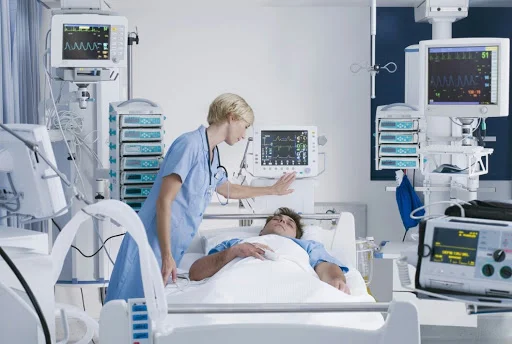
The concept of a "Home ICU" involves creating a specialized environment to manage a patient with critical, long-term illness within the familiar and comforting setting of their home. This is not a replacement for a hospital ICU but a carefully managed step-down option for stable yet ventilator-dependent or technology-dependent patients.
Key Components of a Home ICU Set-Up:
Medical Equipment: The core requirement is essential life-support and monitoring equipment, which may include:
Ventilator/BiPAP: For respiratory support.
Oxygen Concentrator: For supplemental oxygen.
Vital Signs Monitor: To track heart rate, blood pressure, and oxygen saturation.
Suction Machine: To clear secretions from the airway.
Hospital Bed: An electric bed for easy positioning and patient care.
Emergency Equipment: Such as a defibrillator (AED) and emergency medication kit.
Infrastructure: The home must be adapted with:
Reliable Power Backup: Uninterrupted power supply (UPS/inverter/generator) is critical for life-support devices.
Adequate Space: A dedicated, clean, and well-ventilated room for the patient and equipment.
Sanitation: Easy access to water and facilities for maintaining strict hygiene.
Trained Personnel: The most crucial element is 24/7 skilled nursing care. Family members are not typically trained to handle medical emergencies; therefore, a team of qualified nurses is essential for operating equipment, administering medication, and providing routine care.


